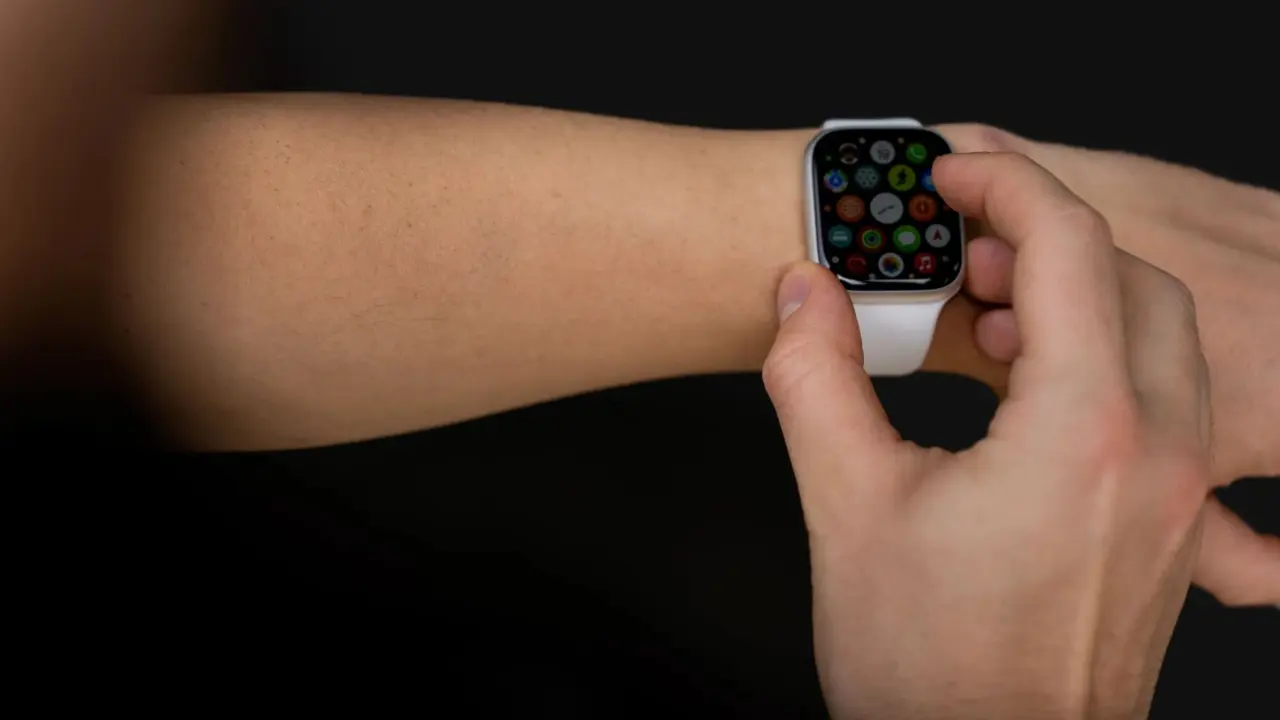
Www silicon-insider .com wearable tech points to the wearable section of Silicon Insider, a general tech blog that gives smartwatches and fitness trackers a prominent slot on its home page. This review looks at what that coverage does well, what it leaves out, and how to use it to choose a wearable, with answers to two side questions readers also ask: whether AI search will replace Google, and how to keep devices charged.
| Item | Our read |
|---|---|
| Best for | Beginners who want plain explanations of wearables |
| Strongest topics | Hybrid smartwatches, fitness trackers, wearable air purifiers |
| Weak spot | No test numbers such as measured battery life |
| Extras | Smart tech and tech news sections |
What siliconinsider covers in wearable tech
The home page highlights a story on hybrid smartwatches, a piece about a wearable air purifier, and an article titled as an inside look at the site’s wearable tech coverage. Elsewhere there are guides such as fitness trackers for beginners. The tone is friendly and the pieces are short, which suits someone who has never owned a smartwatch.
The hybrid smartwatch story is a good example of a useful topic. A hybrid looks like a classic analogue watch but adds step counting, notifications and sleep tracking, usually with a battery that lasts weeks, not days. That trade is the heart of the hybrid appeal: fewer features than a full smartwatch in return for battery life and a quieter design.
How to choose a wearable, using the siliconinsider topics
- Start with the job. If you want step counts and sleep, a basic tracker is enough. If you want maps, music and calls from your wrist, you need a full smartwatch.
- Weigh battery against features. Full smartwatches commonly need charging every day or two, while hybrids and simple bands last much longer.
- Check phone compatibility before buying, because some watches work fully only with one phone platform.
- Try the fit. A watch that rubs or slides gives bad heart-rate readings, so look at strap options and case size.
- Treat health numbers as estimates. Wrist sensors are good for trends over weeks and poor for diagnosis.
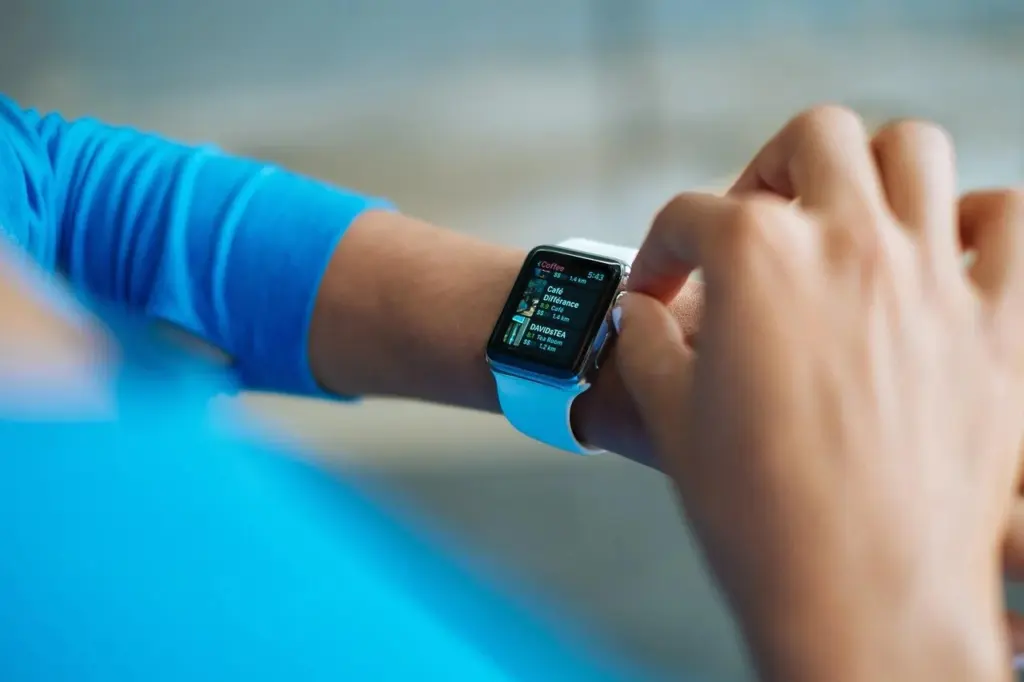
Fitness trackers for beginners: what to expect
The beginner angle is where the siliconinsider coverage helps most. A first tracker should make exercise easier to start, not turn it into a chore. Begin by wearing it for a week without changing anything, to see your normal step count and sleep pattern. Then set one small goal, such as adding two thousand steps a day, and raise it slowly. Turn off notifications that you do not need, because a wrist that buzzes all day is tiring and shortens battery life.
Expect small differences between devices. Two trackers worn side by side will report slightly different step counts, and that is normal. What matters is that one device is consistent over time. Do not compare numbers across brands or let a single bad night of sleep score put you off.
A word on wearable air purifiers
A piece on a wearable air purifier shows the site’s willingness to cover unusual gadgets. A neck-worn purifier claims to clean the air near your face. Claims of that sort are hard to judge from a product page, because the size of the device limits how much air it can treat. If you are considering one for health reasons such as allergies, ask a doctor and look for independent test results instead of relying on marketing.
Where siliconinsider is strong, and where it is thin
The strength is accessibility. Articles speak about categories and ideas, such as what to look for in a first tracker, so they age well and do not need constant correction. Navigation is clear, and the site has a proper cookie panel and policy pages.
The weakness is evidence. Product pieces show no measured battery results, accuracy comparisons or photos of hands-on use, so they cannot decide between two specific watches. Use them for orientation, then read the manufacturer’s specification and a review that publishes measurements.
Smart tech at home: the rest of the siliconinsider menu
The Smart Tech section extends the wearable theme to smart offices, smart building tech and everyday devices. The same rules apply as for a watch. Decide what problem the device solves, check that it works with what you already own, and read the privacy settings before you connect it to your network. Devices that need a cloud account to work will stop if the maker closes the service, so look for options that also work locally.
Gordon James and Silicon Insider’s tech coverage
Readers who type silicon-insider gordon james tech want the author the site puts forward. A profile page presents Gordon James as a technology voice focused on artificial intelligence, software engineering and emerging tech. The page is promotional and gives no employer or publication list, so read it as the site’s own introduction, and judge his articles by their content.
Will searchgpt replace google siliconinsider readers ask
Many people ask will searchgpt replace google siliconinsider, expecting a straight answer. Nobody can give one with certainty, but the difference between the two styles is clear. A classic search engine returns a list of pages and lets you choose. An AI answer engine writes a single response and may cite sources. The first is better when you want to compare sources or buy something; the second is faster for a simple explanation. The likely outcome is that people use both, with AI answers handling quick questions and traditional results handling research and shopping. When an AI answer matters, open the cited pages and confirm it.
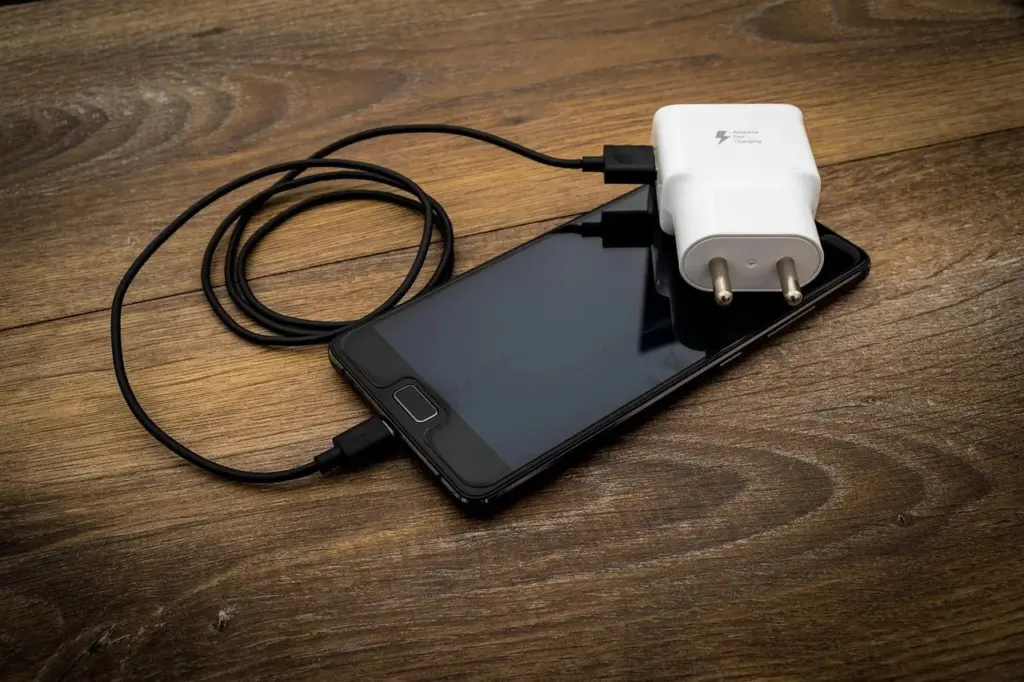
Stay charged: power supplies for your wearables
Searches such as stay charged siliconinsider power supplies are about keeping devices running. Wearables charge through a small dock or cable that is specific to the brand, so a spare cable in your bag is worth more than a large battery. Use the charger that comes with the device or a reputable brand with the right rating, because cheap chargers can heat up and wear the battery. A small power bank helps on trips, and a charging stand on the bedside table builds the habit of topping up while you sleep, though a watch that tracks sleep needs a charge at another time of day, such as while you shower.
For laptops and phones, match the power rating the maker lists, and avoid frayed cables. If a battery swells or a device becomes very hot while charging, unplug it and stop using it.
About the site
Silicon Insider’s pages name no owner or company, and it also publishes unrelated pieces on betting and workplace software, so treat it as a general blog and use the wearable pieces as a starting point.